
Sonali Verma
dedicated to designing human-centered healthcare solutions, she blends expertise in systems thinking, implementation science, health AI, service design, and cognitive psychology. Her work focuses on deeply understanding complex systemic problems and building solutions that are co-designed with the communities they are trying to serve. As a user experience researcher at Google Health AI, Sonali led research, workshops, and pilots to inform the design of AI-powered medical solutions across breast cancer, dermatology, pathology, maternal health, and ophthalmology. Due to NDAs, these early-stage projects are presented below with publicly available information only. For a detailed view of her process and contributions, please view her CV or reach out to sonalivermamph@gmail.com.

led the deployment and scaling of Verily's first 6 AI/telemedicine-based diabetic retinopathy screening pilots in the US, Thailand, and India. Implementation researcher & service designer.
designing Google Derm Assist, an AI tool that enables users to identify & assist in screening of skin conditions via their mobile cameras.
designing tools for midwives with no background in ultrasonography to collect clinically useful fetus ultrasound scans. Led research to understand ultrasound delivery and explore how new AI tools can support point-of-care ultrasound for Kenyan pregnant women.
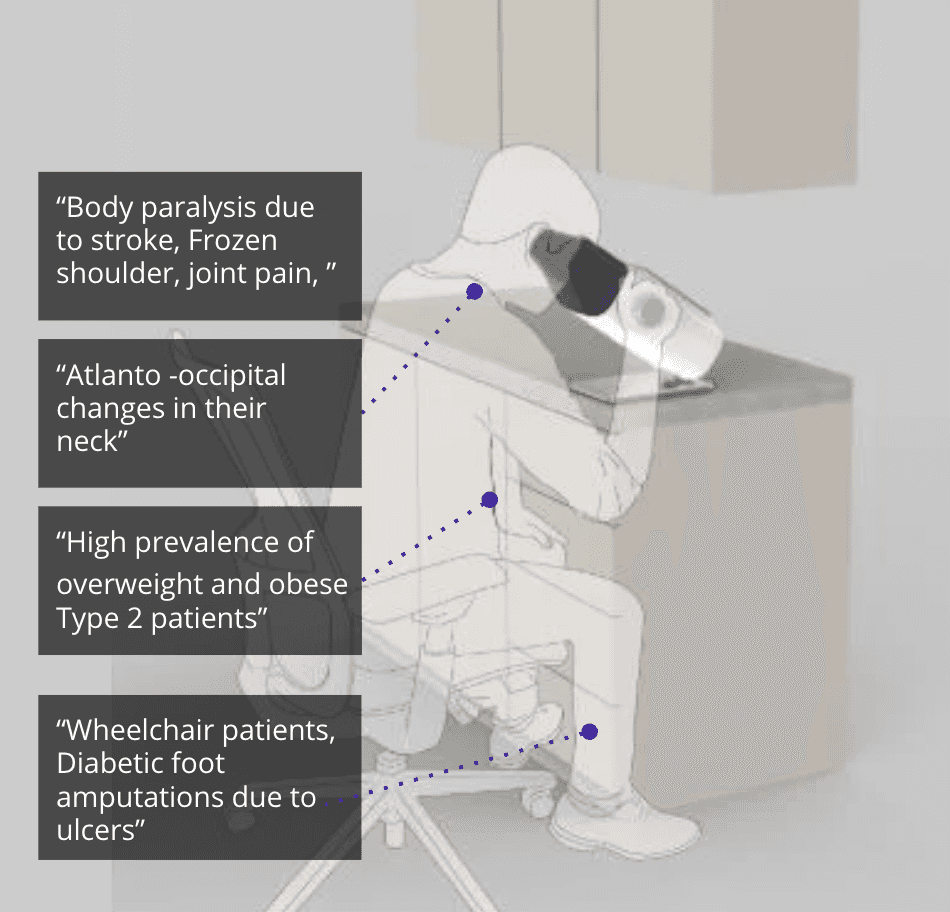
Research that directly informed industrial design of low-cost retinal cameras and human factors validation testing to assess softwares (Class II medical dev) for use-based risks/patient harm.
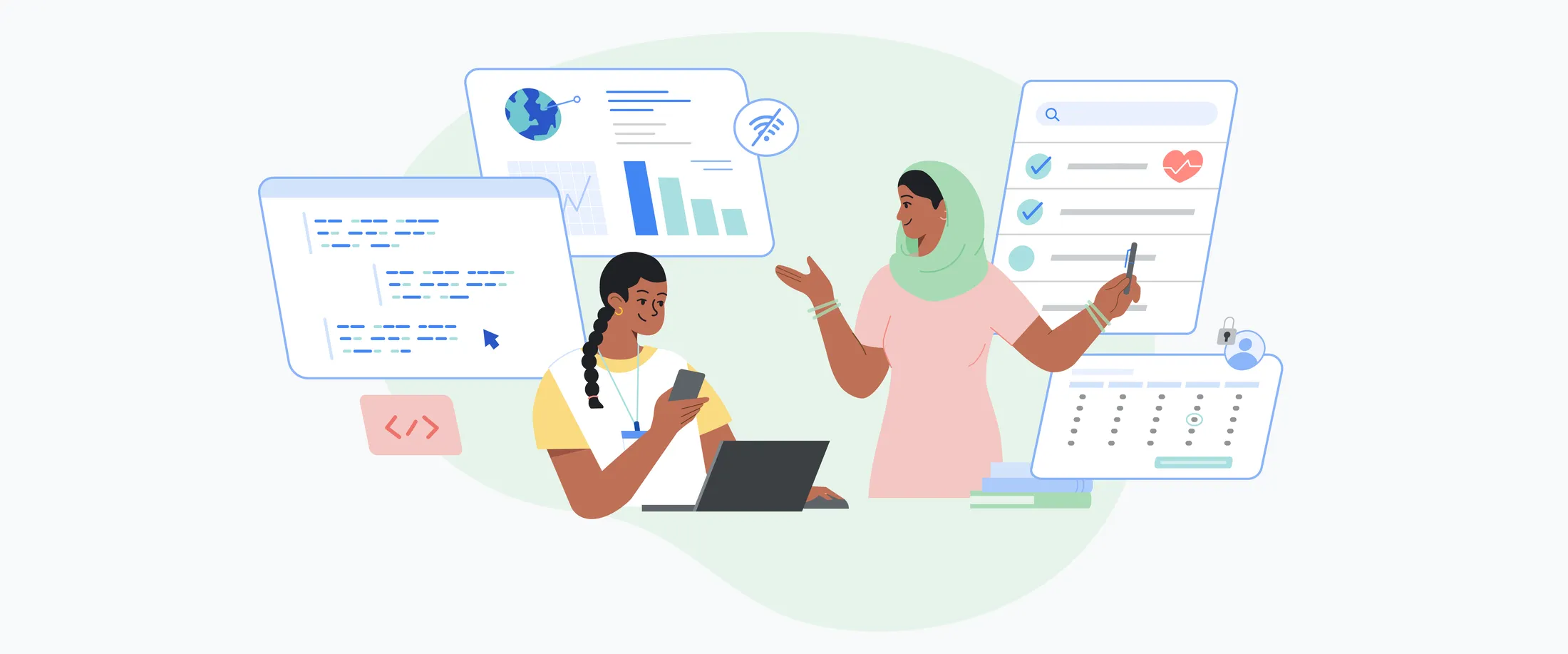
led product visioning & global health research for Android FHIR SDK, a software toolkit that empowers app developers to build mobile health apps for healthcare workers. The solution standardizes data collection by adopting interoperable data standards (i.e., HL7 FHIR). It provides clinical decision support based on WHO SMART guidelines & delivers analytics to health leaders in low-resource settings.
Drove collaboration with radiologists, oncologists, and surgeons in Ghana, Brazil, and India in order to inform future product strategy and partner selection for an AI-powered breast cancer screening tool. Mapped out breast cancer care delivery, screening workflows, & barriers to implementation.
Projects